
Call us now :07971549969
 Send Inquiry
 Send Inquiry
ISO Surface Roughness Comparator
Price 50 INR/ Unit
MOQ : 1 Unit
ISO Surface Roughness Comparator Specification
- Sensor Type
- Not Applicable (Non-electronic Manual Gauge)
- Capacity
- 24 Specimens per Comparator Plate
- Resolution
- Classified as per individual specimen surface
- Measurement Range
- 0.05 to 3.2 m Ra
- Humidity %
- Standard Laboratory Conditions Recommended
- Temperature Range
- Recommended 10C to 40C (ambient for inspection)
- Material
- Precision Ground Steel
- Power Supply
- Not Required (Manual Tool)
- Accuracy
- Conforms to ISO Standard Accuracy
- Display Type
- Manual Visual Comparison
- Range
- Ra 0.05 to 3.2 m
- Packaging
- Protective Case or Plastic Box
- Typical Applications
- Machine Shop, Inspection, Research, Education
- Portability
- Handheld, Pocket-sized
- Finish Types Included
- Various (Turned, Ground, Milled, etc.)
- Dimensions
- Approx. 100 mm x 60 mm
- Number of Roughness Specimens
- 12 to 14 steps (typical for such comparators)
- Weight
- Approx. 120 g
ISO Surface Roughness Comparator Trade Information
- Minimum Order Quantity
- 1 Unit
- Supply Ability
- 500 Units Per Day
- Delivery Time
- 1 Days
- Main Export Market(s)
- Australia, North America, South America, Eastern Europe, Middle East, Central America, Western Europe, Asia, Africa
- Main Domestic Market
- All India
About ISO Surface Roughness Comparator
ISO Surface Roughness Comparator
Caltech india offers grit blasting and shot blasting comparator.
A precision Nickel comparator plate which conforms to International Standard ISO 8503 for grit and shotblast surface roughness comparison measurement. Popular comparators for grit blasting comparison or shot blasting comparison
When steel has been blast cleaned, the surface consists of random irregularities with peaks and valleys that are not easily characterized. Experts have recommended that the profile should be identified as dimpled (shot blast) or angular (grit blast) and that they should be graded as Fine, Medium or Coarse with each grade being defined by limits specified in ISO 8503, these characteristics are considered to give sufficient distinguishing features for most painting requirements.
Versatility Across Machining Environments
Engineered for diverse tasks, the ISO Surface Roughness Comparator suits machine shops, educational settings, research labs, and quality assurance departments. Its selection of specimens includes various surface finishes, allowing for comprehensive tactile and visual comparisons, regardless of machining method.
Effortless and Accurate Surface Inspection
With a robust, easy-to-carry design and no requirement for external power, this comparator offers users the advantage of immediate visual assessment. Its precision-ground specimens guarantee reliable accuracy as per ISO standards, delivering confidence in surface quality evaluation.
FAQs of ISO Surface Roughness Comparator:
Q: How is the ISO Surface Roughness Comparator used for surface assessment?
A: This tool is used by visually and tactually comparing the workpieces surface against precision-ground reference specimens on the comparator plate. Each specimen represents a specific roughness value, allowing quick identification of the surface finish within the Ra 0.05 to 3.2 m range.Q: What applications benefit most from the ISO Surface Roughness Comparator?
A: The comparator is especially valuable in machine shops, inspection facilities, educational institutes, and research settings. It enables operators, students, and professionals to verify and compare surface finishes across turned, ground, and milled parts without the need for electronic instruments.Q: When should I use the surface roughness comparator during the machining process?
A: It should be used during and after machining operations to verify that the surface finish meets the required specification. Frequent checks help maintain product quality and avoid costly rework.Q: Where can the ISO Surface Roughness Comparator be stored or transported?
A: Thanks to its pocket-sized build and protective case, the comparator can be conveniently transported or stored in a toolbox, machine shop drawer, or even carried between workstations and field inspection sites.Q: What is the process for comparing a specimens finish to my workpiece?
A: Simply place the workpiece next to the relevant reference specimen on the plate. Compare both the visual appearance and tactile feel to select the most similar roughness, ensuring quick and dependable surface evaluation.Q: What are the benefits of using a manual, non-electronic comparator over digital gauges?
A: Manual comparators require no power or calibration, are immune to environmental interferences, and provide immediate reference without complex setup. This simplicity and reliability make them practical for routine inspections.Q: Who can supply the ISO Surface Roughness Comparator in India?
A: Dealers, distributors, manufacturers, exporters, importers, service providers, suppliers, and traders across India offer this tool for sale, supporting a broad range of industrial and educational needs.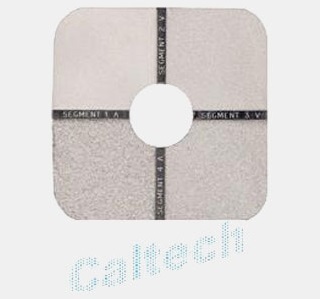
Tell us about your requirement

Price:
Quantity
Select Unit
- 50
- 100
- 200
- 250
- 500
- 1000+
Additional detail
Mobile number
Email

More Products in Surface Cleanliness & Surface Profile Category
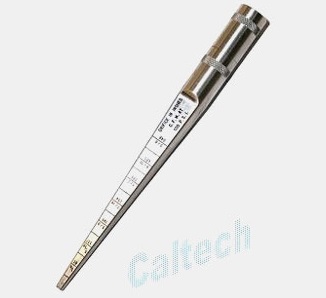
Pressure Blast Analyzer Gauge
Price 50 INR / Unit
Minimum Order Quantity : 1 Unit
Temperature Range : 20C to +65C
Accuracy : 1.5% FS
Humidity % : 0 to 95% RH
Material : Stainless Steel Casing
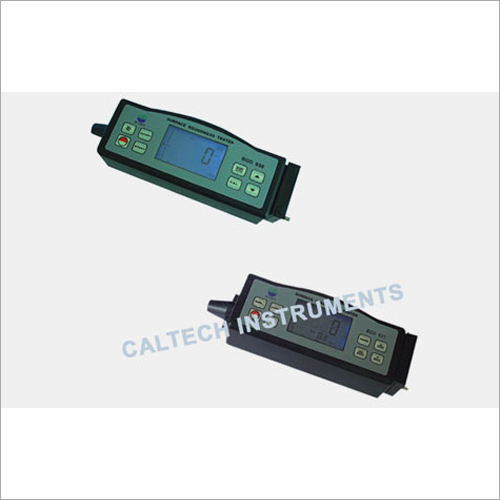
Surface Roughness Tester
Price 50 INR / Piece
Minimum Order Quantity : 50 Pieces
Temperature Range : 0C to 40C
Accuracy : 5%
Humidity % : <80% RH (noncondensing)
Material : ABS plastic and stainless steel
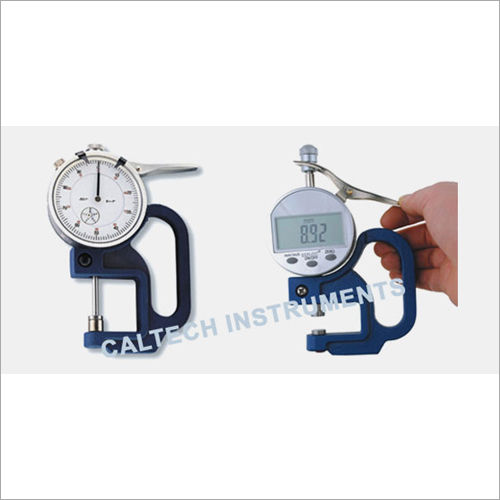
Dial Thickness Gauge
Price 50 INR / Piece
Minimum Order Quantity : 50 Pieces
Temperature Range : 0C to 40C
Accuracy : 0.01 mm
Humidity % : Up to 80% RH (noncondensing)
Material : Stainless Steel / Hardened Steel Contacts
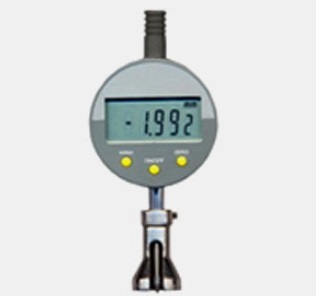
Digital Surface Profile Gauge
Price 50 INR / Unit
Minimum Order Quantity : 1 Unit
Temperature Range : 0C to 40C
Accuracy : 5 m
Humidity % : 85% RH (noncondensing)
Material : Stainless Steel and ABS Plastic

 Send Inquiry
Our Products
- Coating Inspection
- Adhesion Tester
- Abrasion Testers
- Hardness Testers
- Scratch Testers
- Pinhole & Porosity
- Elasticity & Deformation
- Dry Film Thickness
- Surface Cleanliness & Surface Profile
- Wet Film & Powder Thickness
- Bar Coaters & Film Applicators Tools
- Oven Bath & Water Bath
- Color - Gloss - Colorimeter - Spectrophotometer -
- Rh - Dewpoint & Temperature
- Ink and Printing Instruments
- Inspection
- Performance
- Ultrasonic
- Viscosity Cups
- Viscometers
- Weathering Tester
- Publication
- Dispersing Mix - Mill Grind
- Cathodic Protection
- Instrument & Test Equipment
- Multimeter
- Clamp Meter
- Gas Detector
- Data Logger & CP Survey Equipment
- Current Interupter
- Power Supplies
- Soil Resistivity Meter
- Pipe & Short Locator
- Insulation Tester
- Holiday Detector
- Polarization Cell
- Reference Electrodes
- Cathodic Protection Tools
- Corrosion Testing
- Cathodic Disbondment Tester
- Corrosion Coupon
- Concrete Corrosion
- Nace Corrosion Test
- Coating Lab
- Pit Gauge
- Welding Inspection
- Gauges
- Inspection Torch & Mirror
- Digital Moisture Meter
- Concrete Moisture Meter



D-104, Twin Arcade, Military Road, Marol, Andheri East, Mumbai - 400059, Maharashtra, India

Mr. Rajeev J. Chaudhari
(Proprietor)
Mobile :07971549969
 Send Inquiry
 Send SMS
Developed and Managed by Infocom Network Private Limited.
